


Skip to product information
1 of 7
★★★★★ 32 reviewsWrite a Review

Organic Ripe Puerh Tea

Organic Ripe Puerh Tea

SKU:A0605A

994 in stock

Regular price $47.00
Regular price Sale price $47.00
Sale Sold out
Taxes included. Shipping calculated at checkout.
Form
Size
Packaging
Quantity
Single-originOrganic

Origin Story

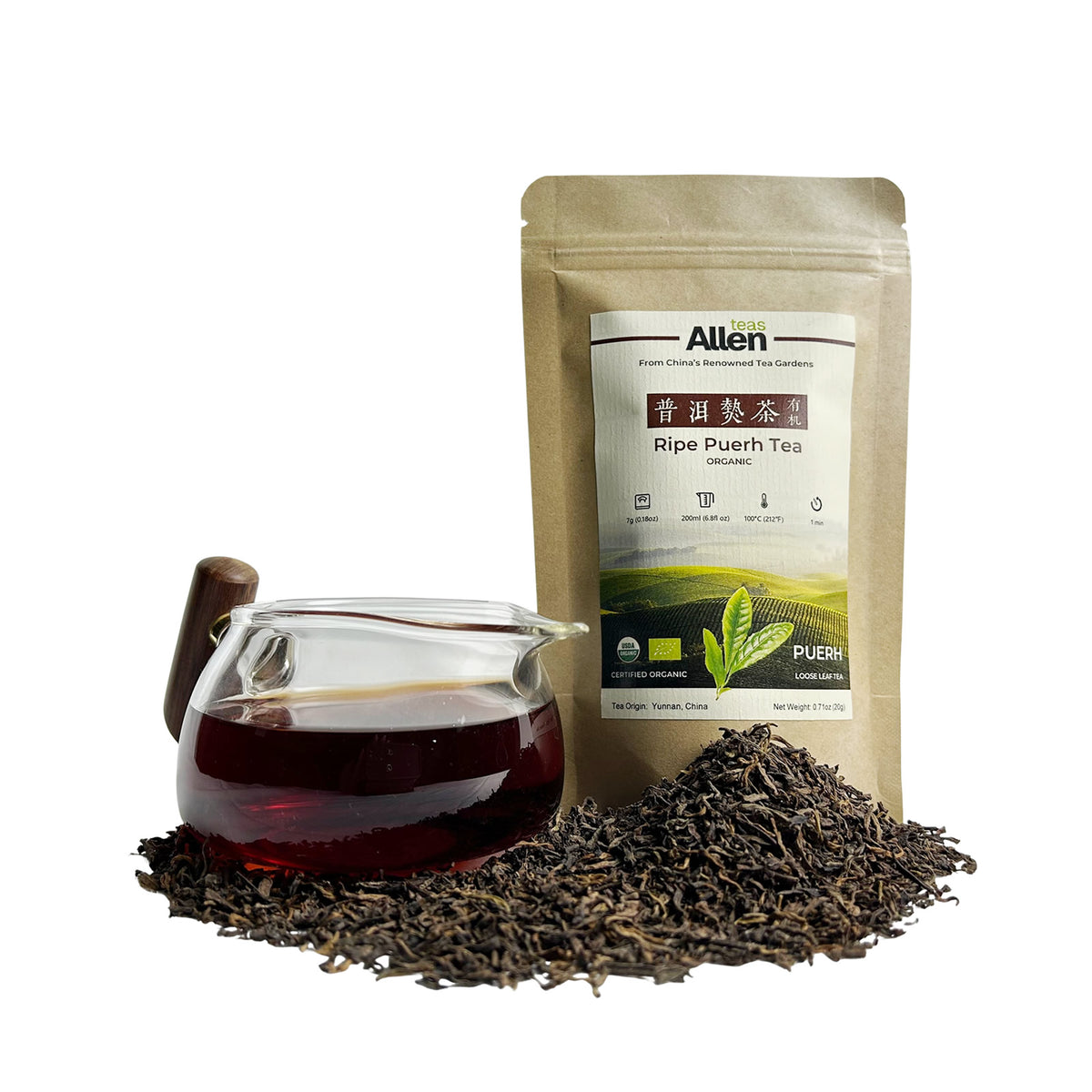
What's Included: Loose Tea, Resealable Aluminum Foil Food Bag, Corn Fiber Empty Tea Bags, Spoon, and Tote Bag

Puerh tea, a celebrated variety hailing from the verdant landscapes of Yunnan Province, China, boasts a rich history stretching back over millennia. Its origins can be traced to the ancient civilizations that thrived in the region, where the forerunners of modern-day Puerh tea cultivation were first nurtured. The earliest recorded mentions date back to the Tang Dynasty (618-907 AD), when the tea produced in the area known as Yinneng Cheng (later referred to as Silver Nose City) was already being consumed and enjoyed. These early varieties are believed to be the ancestors of the modern Puerh tea.

During the Song Dynasty (960-1279 AD), records in Li Shi's "Continued Records of Natural History" describe the tea from Yinneng Mountains as being harvested irregularly and consumed mixed with beans, ginger, and other spices. The Ming Dynasty (1368-1644 AD) saw the emergence of the term "Pu'er" in written history, although it was initially spelled "Pu'erh" without the water radical. By the late Ming and early Qing periods, the name "Pu'erh tea" had solidified, becoming synonymous with the high-quality teas produced in the region.

The Qing Dynasty (1644-1912 AD) marked a period of significant development for Puerh tea, with detailed records of its production, trade, and consumption. The "Pu'erh Tea Chronicles" by Ruan Fu, written during this time, attested to the widespread use of Pu'erh tea in Tibet and other regions as far back as the Tang Dynasty. The text also highlights the historical ties between Pu'erh tea and its geographical origins, underscoring its deep-rooted cultural and economic significance.

Legends and Stories

Beyond the historical records, Puerh tea is also intertwined with folklore and legends that have captivated generations. One such tale speaks of the ancient Yunnanese people, the Pu, who were renowned for their mastery over tea cultivation. According to legend, they discovered the unique properties of Puerh tea and its ability to aid digestion, promote health, and even cure illnesses. This earned the tea a mythical status among the local tribes, who guarded its secrets jealously.

Another fascinating story revolves around the naming of Pu'erh tea. It is said that during the Yuan Dynasty (1271-1368 AD), a place named "Buri Bu" was later transcribed into Chinese characters as "Pu'er" (without the water radical). This accidental naming coincidentally gave the tea its enduring moniker, which has since been enshrined in history.

Cultural Significance

Puerh tea holds immense cultural significance in China, particularly in Yunnan Province and beyond. It is not merely a beverage; it is a symbol of tradition, heritage, and the resilience of the Yunnanese people. Over centuries, Puerh tea has played a pivotal role in facilitating trade and cultural exchanges between Yunnan and neighboring regions, including Tibet, Xinjiang, and even Southeast Asia. Its unique fermentation process and aging potential have made it a cherished commodity among tea enthusiasts worldwide.

The cultural importance of Puerh tea extends to its role in social gatherings and rituals. In Yunnan, sharing a pot of Puerh tea is often seen as a gesture of friendship and hospitality. The ritual of brewing and tasting Puerh tea involves intricate steps that require skill and precision, adding an element of artistry to the experience.

Modern Appreciation

In modern times, Puerh tea continues to captivate tea lovers with its distinctive flavors, aromas, and health benefits. With advancements in production techniques and quality control, consumers can now enjoy a wide range of Puerh teas, including both raw (shengcha) and ripened (shoucha) varieties. The latter, developed through innovative fermentation methods in the mid-20th century, has revolutionized the industry, making Puerh tea accessible to a broader audience.

Today, Puerh tea is appreciated not only for its unique taste profile but also for its potential health benefits. Research has suggested that Puerh tea may aid in weight loss, lower cholesterol levels, and improve digestion. These qualities, combined with its rich history and cultural significance, make Puerh tea a truly remarkable beverage worthy of exploration and enjoyment.

As the world continues to embrace the charm of tea culture, Puerh tea stands as a testament to the enduring power of tradition, innovation, and the unbreakable bond between humans and nature.

View full details
Tea Origin: Pu'er City, Yunnan Province, China

Introduction

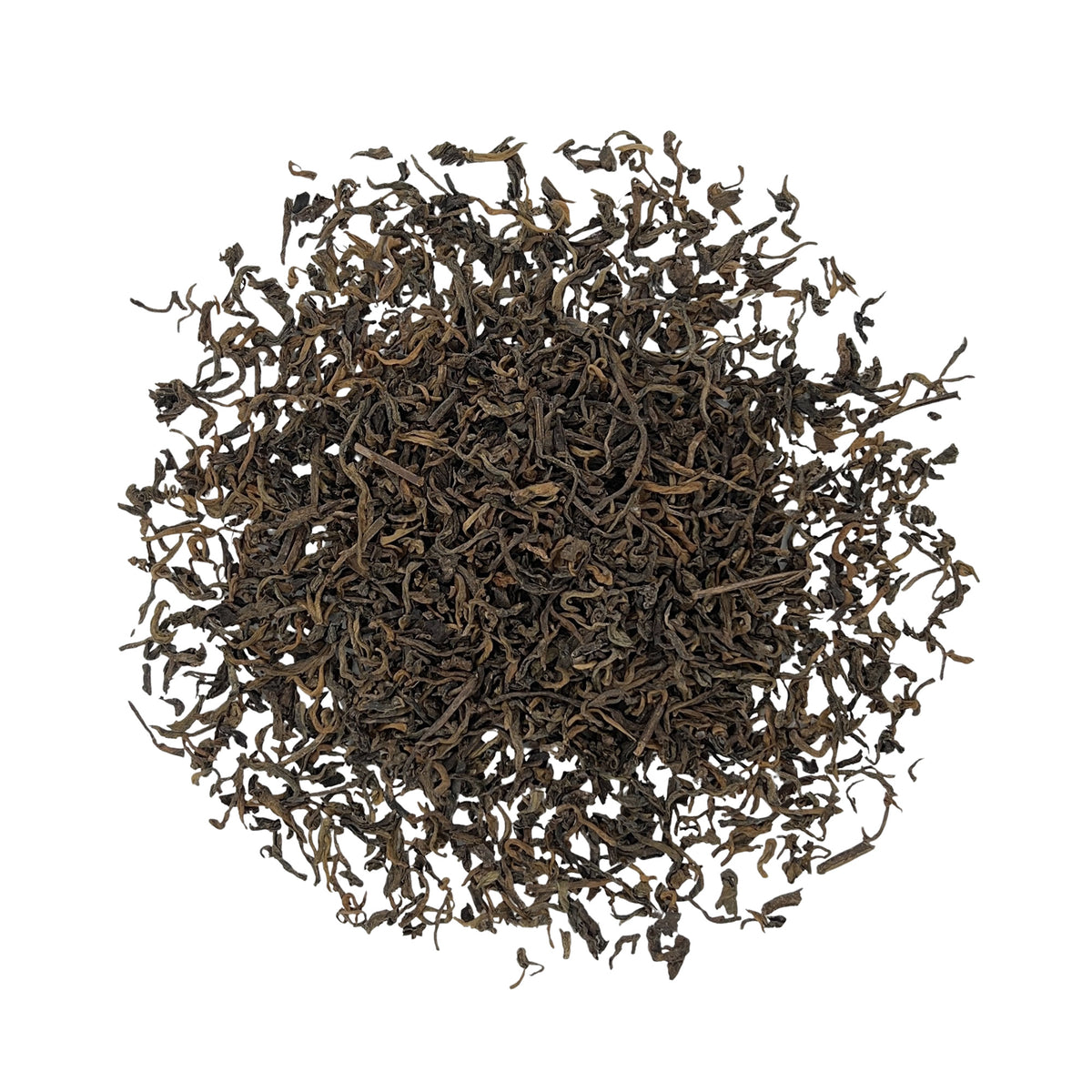
Puerh Tea, one of China’s most famous dark teas, originates from Yunnan Province and has a rich history dating back over a thousand years to the Han Dynasty. This unique tea is named after the city of Pu'er, a major trading hub in ancient times. The natural geography of Yunnan, with its high altitude, humid climate, and fertile soil, provides ideal conditions for growing tea. Puerh Tea is renowned for its distinctive earthy flavor, which becomes more complex and mellow with age. The tea undergoes a unique fermentation process, which can be either raw (sheng) or ripe (shou). Raw Puerh is aged naturally over time, while ripe Puerh undergoes an accelerated fermentation process. Both types are pressed into cakes, bricks, or loose forms.

Summary

Origin: Yunnan Province, China
Harvest Year: 2024
Aroma: Earthy, woody, with a hint of dried fruit
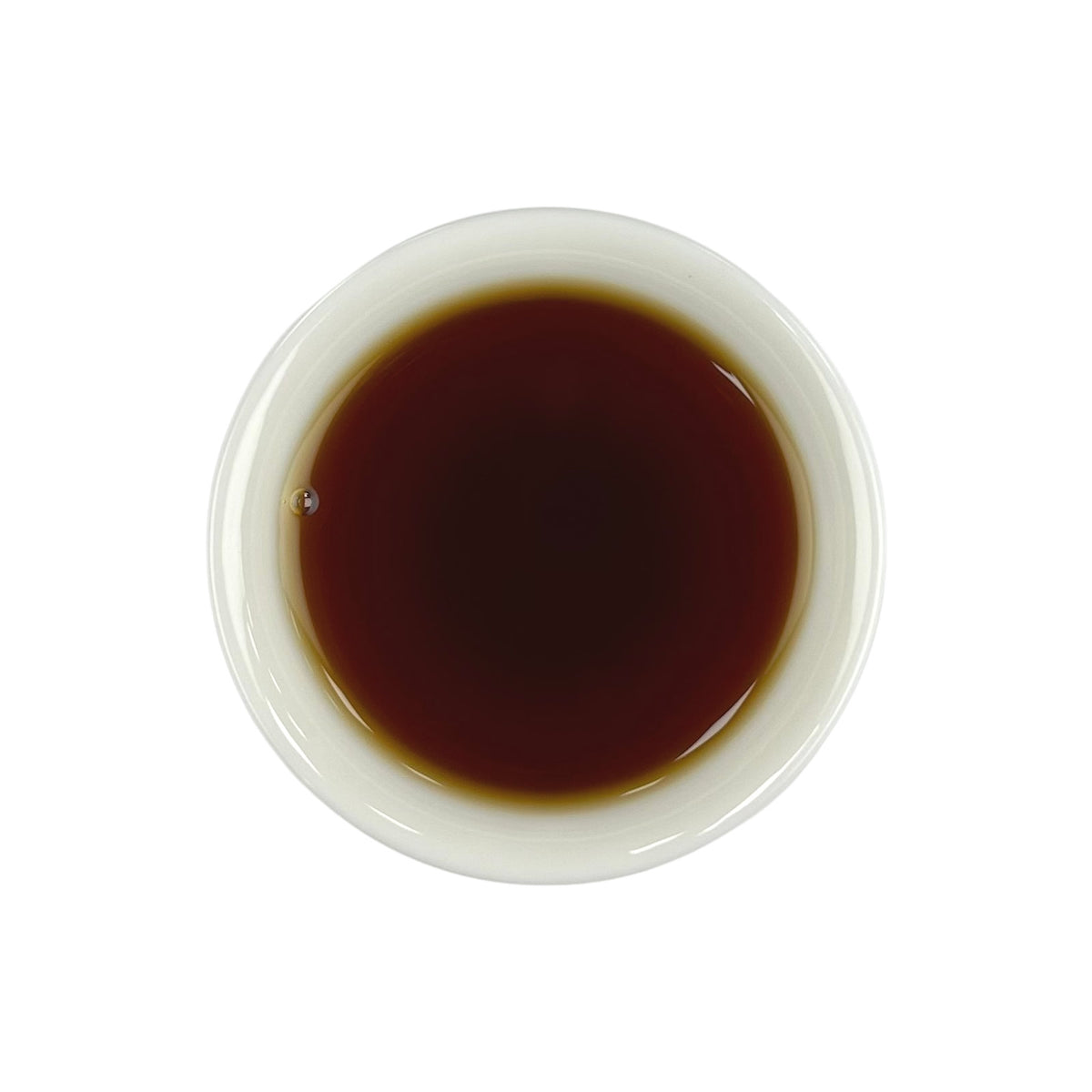
Liquor: Deep reddish-brown
Taste: Rich, smooth, with a mellow, lingering finish
Certified Organic:
Ingredients: Pure puerh tea
Gluten-free: Yes
Steeping temperature: 95°C (203°F)
Storage method: Store in a cool, dry place away from direct sunlight and strong odors, in an airtight container
Shelf Life: 10 years or more
Tea Form: Whole leaf tea bags or loose leaf
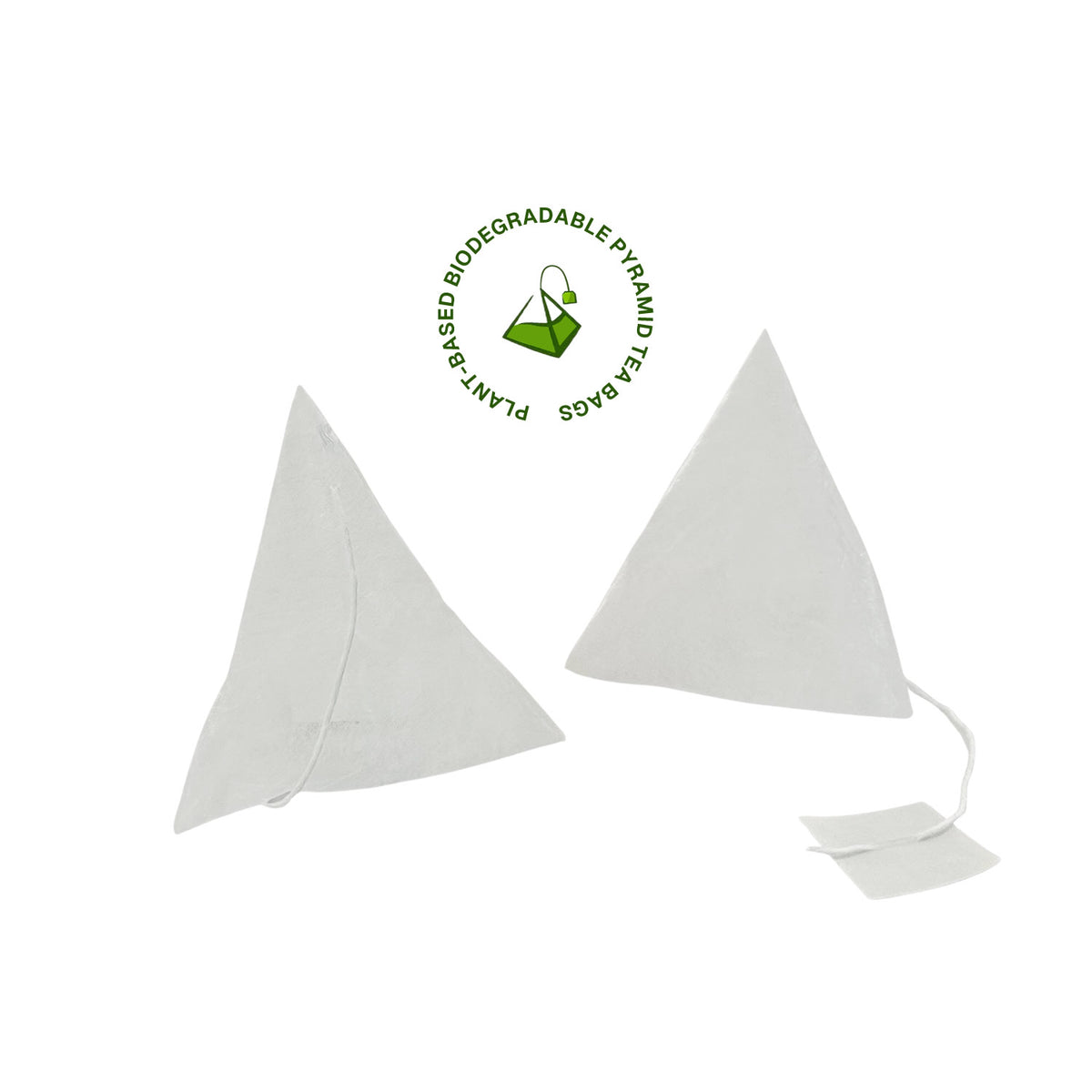
Tea Bag Material: Plant-based biodegradable pyramid tea bag
Weight of Tea Bag: 2g (0.07 oz)
Package: Tea bags or loose tea are packaged in food-grade reusable stand-up pouches, with portable tote bag

Quality Assurance

This is an organic Pu'er tea, certified organic by the United States, the European Union, and the United Kingdom. At AllenTeas, we are dedicated to providing only the highest quality Puerh Tea. Our tea is sourced directly from the renowned tea gardens of Yunnan Province, ensuring authenticity and premium quality. Each batch undergoes rigorous quality control processes to maintain its exceptional standards, preserving the rich aroma, complex flavor, and distinctive character that Puerh Tea is celebrated for.

What is Organic Tea?

Organic tea is produced and processed according to organic farming methods. It is grown without any synthetic fertilizers, pesticides, growth regulators, or chemical food additives. AllenTeas' organic tea is certified by the United States, the European Union, and the United Kingdom(provided under the authorization of Pu'er Native Manor Co. LTD), ensuring the highest standards of purity and quality. Choose AllenTeas for a truly organic experience.

Price Advantage

AllenTeas offers Puerh Tea at competitive prices, often more affordable than those found in traditional tea shops. By sourcing directly from the tea producers and minimizing intermediaries, we are able to pass on the savings to our customers, ensuring that you enjoy premium quality tea at a great value.

Storage Tips

To preserve the freshness and quality of Puerh Tea, store it in a cool, dry place with good air circulation. Avoid exposure to direct sunlight, strong odors, and high humidity. Unlike many other teas, Puerh benefits from aging, so proper storage can enhance its flavor over time. It is best to store Puerh in breathable materials like paper or clay jars to allow for natural aeration. For long-term storage, ensure the environment is clean and free from contaminants.